Dehumidifier reviews, sizing help and buying picks
Before You Buy a Basement Dehumidifier: Check Your Moisture Risk
Placing a portable retail appliance in a structurally compromised or heavily damp basement can waste over $300 a year in electricity and completely fail to stop toxic mold growth. Find out if your basement needs a quick appliance fix or a local specialist.
Free local matching • No obligation
Some links on this site are affiliate links. We may earn a commission if you buy through them.
How severe is it?
Musty smell, no water. A dehumidifier likely solves it.
Damp walls, condensation. Worth a closer look.
This needs a specialist, not an appliance.
Is an Appliance Enough? Triage Your Basement Symptoms
Match what you are seeing to one of the three conditions below before you spend money on a dehumidifier.
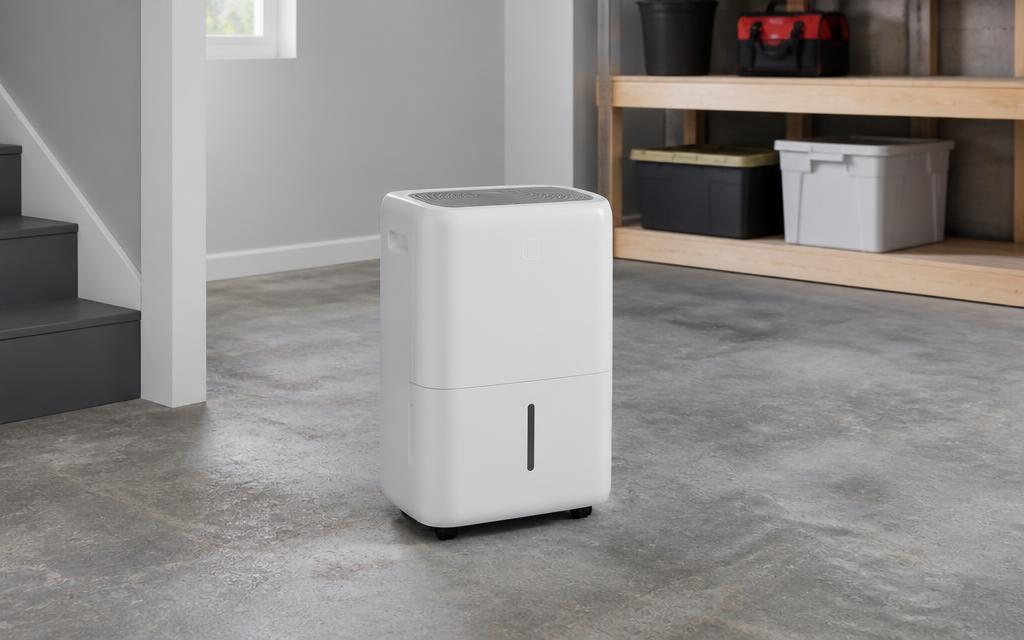
🟢 Condition A: Light Ambient Humidity
Symptoms
Faint musty smell, heavy air, but floors and walls remain bone dry after heavy rain.
Verdict
A standard portable 50-pint compressor unit will solve this.
Independent picks · No sponsored rankings
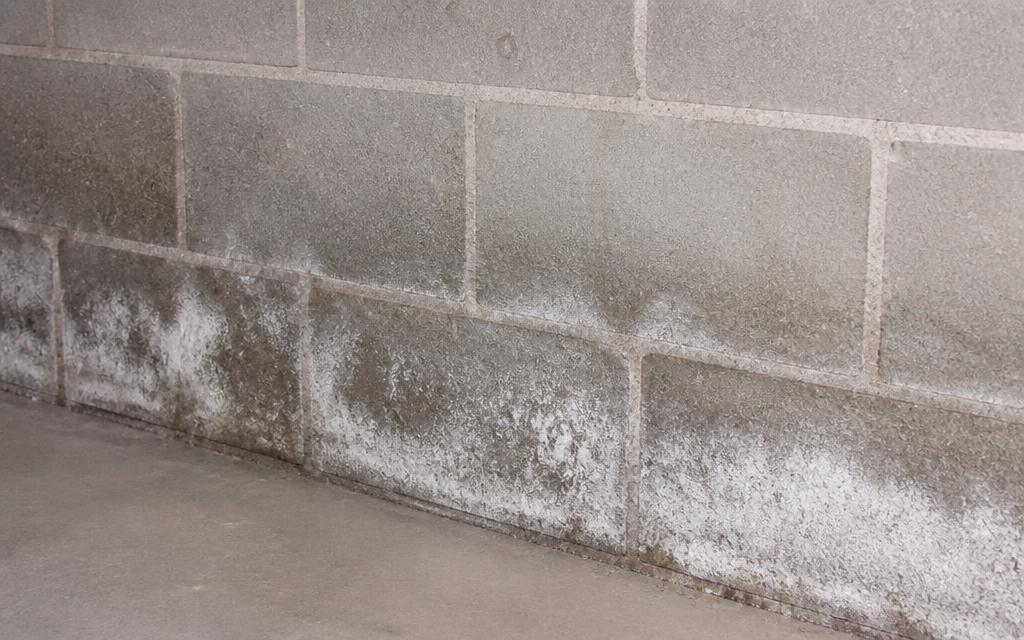
🟡 Condition B: Damp Patches & Efflorescence
Symptoms
Damp patches on concrete blocks after rain, sweating pipes, or a fine white powder on walls.
Verdict
Hydrostatic pressure is forcing water through your foundation walls. An appliance is a temporary band-aid.
Free matching · No obligation
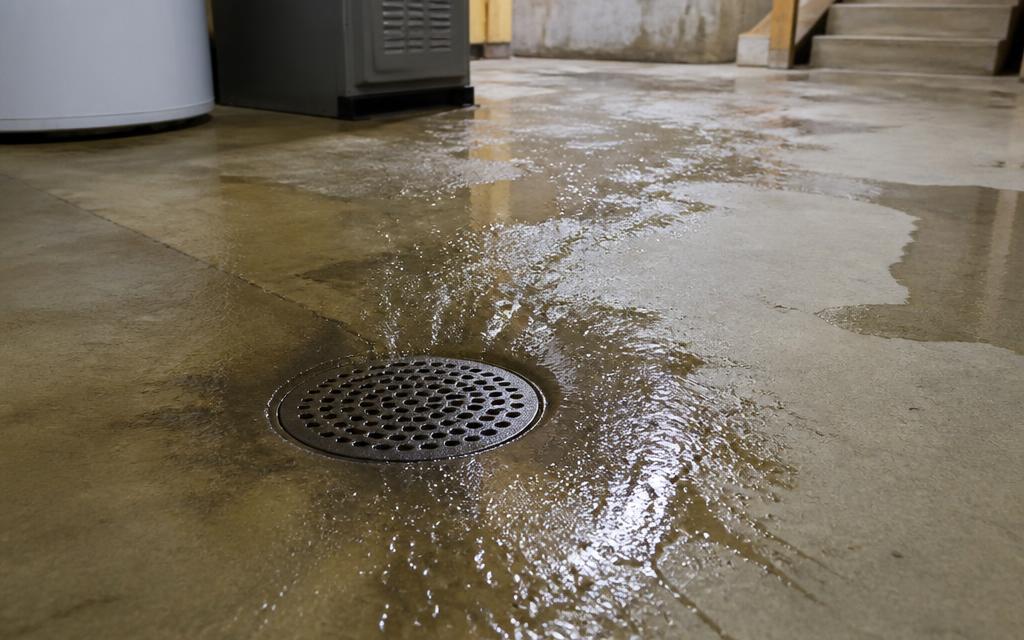
🔴 Condition C: Standing Water or Active Mold
Symptoms
Puddles on the floor after a storm, water weeping from cracks, or visible mold patches over 10 sq ft.
Verdict
Stop shopping for appliances. A retail dehumidifier cannot handle liquid moisture. You need professional water mitigation to protect your foundation.
1-800-555-0199 · 24/7 · Free, no-obligation call
Automated Basement Sizing & Running Cost Tool
Enter your basement size and what you are actually seeing. Capacities use the current DOE 2019 test procedure; costs use the U.S. average residential rate of $0.173/kWh.
- Capacity needed
- 30 pints/day
- Estimated running cost
- $17/mo
Based on ~330 W running about 10 hours a day.
🟢 An appliance should handle this
At 1,000 sq ft with airborne humidity only, a 30-pint (DOE 2019) unit set to 45–50% RH is the right tool. Expect about $17 a month in electricity, and less once the space dries out.
View Recommended 50-Pint UnitsSome links are affiliate links. We may earn a commission at no cost to you.
A damp basement is a moisture problem before it is a shopping problem. Work out whether you have humid air or liquid water, size the unit in current DOE pints, set it to 45–50% relative humidity, and drain it continuously. Everything below is organised in that order.
Written by the Dehumidifier for Basement editorial team and reviewed for source accuracy. Last updated July 2026. Humidity targets follow EPA guidance (30–50% RH); capacities use the current DOE test procedure; running costs default to the U.S. average residential rate of $0.173/kWh (EIA) and are adjustable.
Step 1: triage your basement
Buying the wrong tool is the most expensive mistake in this category. Match your symptoms to one of these three states first.
Air feels clammy, the hygrometer reads 55–70% RH, there is a faint musty smell, but the floor and walls are dry and stay dry after rain.
Do this: Size the unit, set 45–50% RH, drain it continuously. Start with sizing
Damp patches after heavy rain, efflorescence on block walls, sweating pipes, a hairline crack that weeps occasionally, or humidity that will not drop below 60%.
Do this: Correct gutters, downspout extensions and grading, then run the dehumidifier. Why humidity will not drop
Standing water, water entering during every rain, sewage backup, mold covering more than roughly 10 sq ft, growth inside wall cavities or ductwork, or bowing walls.
Do this: Stop shopping and get a qualified waterproofing or remediation professional on site. What to do first
Step 2: size it
Capacity is the decision you cannot correct later without buying twice. The tool below applies AHAM-style sizing ranges to your square footage, dampness level and temperature, and tells you which drainage method your situation needs.
Basement dehumidifier sizing tool
Capacity is shown in pints under the current federal test procedure. Ranges follow ENERGY STAR and AHAM sizing guidance for space size and dampness level. This tool is a starting point — it does not replace a professional moisture inspection.
Step 3: know what it will cost to run
Purchase price is the small number. A basement unit running most of the cooling season usually costs more in electricity over three years than it did to buy. Enter your own rate — it is printed on your utility bill — rather than trusting a national average.
Dehumidifier electricity cost calculator
Monthly cost = watts ÷ 1,000 × hours per day × 30 × your electricity rate. Results are estimates only; real usage varies with humidity, temperature and cycling.
- Estimated daily
- $1.00
- Estimated monthly
- $29.89
- Estimated annual
- $363.72
Default rate source: U.S. Energy Information Administration — Electricity explained — Electricity prices and factors affecting prices. Data year: 2025; reviewed 2026-08-12. All figures are estimates, not a bill guarantee.
Browse the guides
- SizingMatch pint capacity to your square footage and dampness level using AHAM guidance and the DOE 2019 rating standard.8 guides →
- Setup & OperationPlacement, continuous drainage, condensate pumps, humidity settings, winter operation and real running costs.8 guides →
- TroubleshootingFrozen coils, no water in the bucket, lingering musty smell, mold, and standing water — with severity triage.8 guides →
- GuidesIn-depth resource guides: commercial vs. retail equipment costs, mold and leak limits, continuous drainage, and pint sizing.8 guides →
- ComparisonsSpec-based comparisons built from manufacturer data sheets and the Energy Star product finder. No fake lab tests.8 guides →
Most-read pages
The three things that actually matter
- Fix the water first. Grading, gutters and downspout extensions stop more basement moisture than any appliance. A dehumidifier removes water vapor from air — it cannot stop liquid water.
- Size in current DOE pints. The 2019 test procedure moved the test chamber from 80°F to 65°F, so a machine formerly rated 70 pints is labeled about 50 pints today. Shopping by the old number means buying too small.
- Set 45–50% RH and drain it continuously. The EPA target range for indoor humidity is 30–50%. A gravity hose to a floor drain, or a condensate pump when there is no drain below the outlet, ends the daily bucket routine.
Frequently asked questions
What size dehumidifier do I need for a basement?
Most 1,000 sq ft basements need a 30–35 pint (current DOE test procedure) unit; 1,500–2,500 sq ft or damp-to-wet conditions call for 50–60 pints. Because the test procedure changed in 2019, a machine once labeled 70 pints is labeled about 50 pints today.
What humidity should a basement be?
The EPA recommends keeping indoor relative humidity between 30% and 50%. For most basements a setpoint of 45–50% controls mold growth and dust mites without running the compressor unnecessarily.
How much does it cost to run a basement dehumidifier?
A 50-pint unit drawing about 550 watts for 12 hours a day uses roughly 6.6 kWh per day. At the U.S. average residential rate of $0.173/kWh that is about $34 per month. Use the calculator on this page with your own rate from your utility bill.
Will a dehumidifier fix a wet basement?
No. A dehumidifier removes water vapor from air. It cannot stop liquid water entering through cracks, the cove joint, window wells or a failed sump pump. Correct the water path first, then use a dehumidifier to control the residual humidity.
Do you test the products you write about?
No. We do not operate a laboratory and we do not publish measurements we did not obtain from the manufacturer or a government listing. Comparisons are specification-based and every figure links to its source.
Get the free Basement Moisture Inspection Checklist
Nine sections covering humidity readings, gutters, grading, plumbing leaks, cracks, condensation, sump pump, floor drains, odors and the signs that call for a professional. General homeowner guidance — not personalized professional advice.
By subscribing you agree to receive the checklist and occasional basement moisture updates. Unsubscribe any time. See our Privacy Policy.
How this site makes money — and what that means
Some comparison pages contain affiliate links, and some 🔴 pages offer to connect you with a local professional. Those arrangements never decide which product or advice appears, and no manufacturer pays for placement or reviews our drafts. Read the affiliate disclosure, review methodology and editorial policy.
Reach Homeowners Solving Basement Moisture Problems
Manufacturers, retailers, waterproofing and mold-remediation companies, and indoor-air-quality brands can reach homeowners actively researching basement humidity solutions. Paid placements are always labeled and never influence our editorial conclusions.
Advertising OpportunitiesSources and methodology
Guidance on this page is drawn from federal agencies and industry standards bodies rather than our own laboratory testing. We do not test appliances in a laboratory and we do not publish product measurements we did not obtain from the manufacturer or a government listing.
- U.S. Environmental Protection Agency — Mold Course & moisture control guidance (keep indoor relative humidity 30–50%)Used for: Target indoor relative humidity range and mold-growth conditions. Last verified 2026-07-29.
- U.S. Department of Energy — Energy Conservation Standards and Test Procedure for DehumidifiersUsed for: Why capacity ratings changed: the current federal test procedure and its rating conditions. Last verified 2026-07-29.
- ENERGY STAR (EPA) — ENERGY STAR Certified Dehumidifiers product finderUsed for: Certification status, Integrated Energy Factor (IEF) values, and sizing guidance for dehumidifiers. Last verified 2026-07-29.
- Association of Home Appliance Manufacturers (AHAM) — Dehumidifier certification program and sizing guidanceUsed for: Capacity-by-condition sizing ranges and certified capacity verification. Last verified 2026-07-29.
- U.S. Energy Information Administration — Electricity explained — Electricity prices and factors affecting pricesUsed for: Default electricity rate used in operating-cost estimates (2025 annual average). Last verified 2026-08-12.
Written by the Dehumidifier for Basement editorial team and reviewed for source accuracy. Last updated July 2026. Found an error? Report it through our corrections policy.